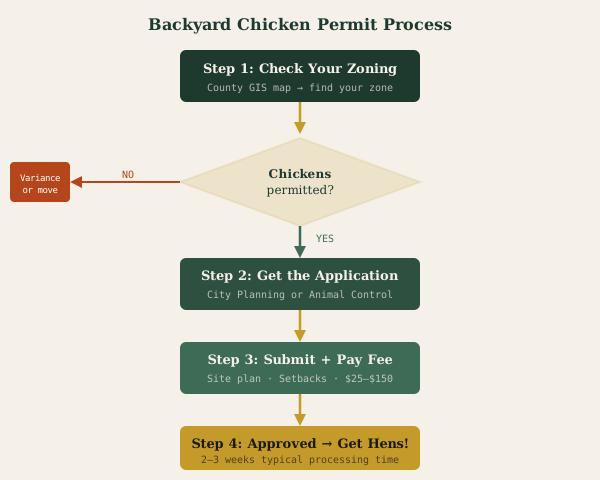
The Permit Landscape
Approximately 45–55% of U.S. cities that permit residential chicken-keeping require a use permit, zoning permit, or annual registration of some kind. The other half allow chickens with no formal permit process — just compliance with the rules. Whether your city requires a permit has nothing to do with how restrictive its rules are; some cities with strict limits (few hens, large setbacks) require no permit, while some permissive cities (many hens, small setbacks) do require registration.
The practical reason cities require permits: they want to know where livestock is being kept, so code enforcement can respond to complaints with a baseline record of approved setups. Permitting also generates nominal fee revenue and creates a notification mechanism when rules change.
Types of Livestock Permits
Cities that require permits generally use one of three structures:
1. One-Time Use Permit / Conditional Use Permit
The most common type. You apply once, pay a fee ($25–$150 typical), submit a site plan showing coop placement relative to property lines and adjacent structures, and may receive an inspection. Once approved, the permit is valid indefinitely unless you move, add animals, or the ordinance changes. Denver uses this model.
2. Annual Registration / License
An annual renewal requirement, typically $15–$50/year. Less common, but used in cities like Portland, OR and Minneapolis, MN. Provides the city with a current database of active livestock keepers and generates ongoing nominal revenue. Renewal is typically simple — pay the fee and confirm no material changes to your setup.
3. Neighbor Notification / No-Objection Process
Some cities use a hybrid: you notify adjacent neighbors in writing, wait a specified period (typically 10–30 days) for objections, and then self-certify compliance. No formal permit is issued, but you must document the notification process. This model places the burden of objection on neighbors rather than making the city an active gatekeeper.
What Permit Applications Typically Require
- Completed application form (available from city planning office or city website)
- Site plan or sketch showing: property boundaries, existing structures, proposed coop location, and setback distances — measured and labeled
- Description of the enclosure (size, materials, whether it's fixed or movable)
- Number and type of animals
- Application fee (typically $25–$75 for use permits; $15–$50 for annual registration)
- Some cities: signed statement from adjacent property owners (not a legal waiver, just documented awareness)
What Happens If You Skip a Required Permit
Keeping livestock without a required permit is typically a civil ordinance violation, not a criminal matter. The enforcement pathway usually looks like this:
- Neighbor complaint filed with Code Enforcement
- Code Enforcement officer visits property, confirms livestock present without permit
- Notice of Violation issued — typically 15–30 days to either obtain the permit or remove the animals
- Re-inspection: if still not in compliance, escalating fines begin (often $100–$500/day)
- In rare cases of non-compliance: administrative action to compel removal
Most cities will allow you to obtain the permit retroactively rather than requiring you to remove the animals — if you're otherwise in compliance with all other rules (setbacks, flock limits, etc.). The risk of operating without a permit is primarily that a neighbor complaint can expose your entire setup to scrutiny.
Cities That Require No Permit
These major cities permit chickens in residential zones with no formal permit or registration requirement (as of late 2024): Austin TX, Seattle WA, Kansas City MO, Albuquerque NM, Salt Lake City UT, Tucson AZ (for 4 or fewer), and many others. Rules still apply — no permit doesn't mean no rules.
Frequently Asked Questions
Recommended Resource
Storey's Guide to Raising Chickens
Once you know your ordinance is clear, this is the most comprehensive beginner-to-experienced guide to actually keeping a healthy, productive flock. Covers breeds, coop design, feeding, health, and egg production.
View on Amazon →As an Amazon Associate, we earn from qualifying purchases at no additional cost to you.